ESG is not a bogeyman, but a responsible report
18.03.2024 09:19
At the turn of January and February, the Association of the Engineering Industry of the Slovak Republic, in cooperation with the expert partners NORTHON, DETOX and Bureau Veritas Slovakia, organised a webinar dedicated to sustainability reporting within ESG. This new type of reporting last year applied mainly to companies with more than 250 employees in the EU, but from 1 January 2026 it will also apply to small and medium-sized enterprises. The webinar aimed to help company representatives in their preparation for this reporting, because Slovakia must transpose the relevant European directive into its legal order by June of this year.
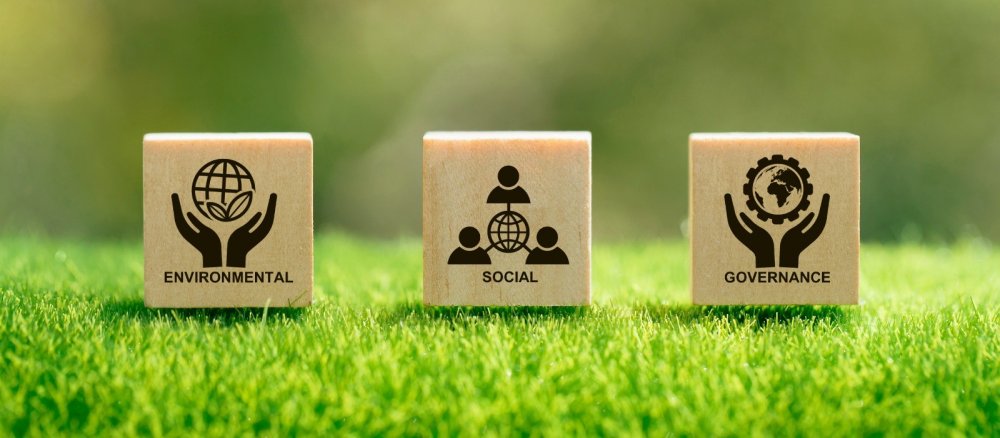
You have probably already come across this abbreviation. But what does it mean? ESG is an abbreviation for environmental, social and governance aspects. Simply put, it is the impact of a company on the environment, society and the way it is managed, on the basis of which „sustainability“ or „responsibility“ can be expressed in a number. It is a set of criteria used to evaluate a company's performance in these three areas:
Environment
This aspect focuses on how a company manages its impact on the environment. It includes aspects such as its carbon footprint, energy efficiency, waste management practices, pollution prevention and efforts towards sustainability.
Social responsibility
Social factors consider how a company cooperates with its employees, suppliers, customers and the communities in which it operates. These include issues such as labour practices, employee relations, diversity and inclusion, human rights, product safety and community engagement.
Responsible governance
It relates to the structures and processes by which a company's decision-making and accountability are governed. It includes aspects such as the diversity and independence of the board of directors, executive remuneration, shareholder rights, transparency, ethics and risk management.
Of course, it is not just about a number. The aim of ESG is to provide a comprehensive yet coherent view of the consequences of business activity. ESG criteria are used by investors, asset managers and other stakeholders to assess the sustainability and ethical impact of investments. Companies with good ESG results are often considered more resilient, better managed and more likely to create long-term value. In addition, many investors believe that incorporating ESG factors into investment decisions can lead to better risk management and financial returns over time.
It is not CSR
If these definitions sound familiar to you, it is no coincidence. ESG is sometimes compared to corporate social responsibility, but CSR is not expressed in a number. With an ESG report, the so-called Sustainability Report, it is possible, which simplifies the comparison of individual companies. That is why it is voluntarily published not only by companies for which it is an obligation, but for many others it is a competitive advantage, for example if they want to be suppliers to companies for which it is an important metric. Moreover, if a company is more sustainable, it more easily attracts investors, or its banks may offer better conditions.
However, the main motivation for ESG reporting is internal reasons. For several companies this obligation becomes an impulse for long-postponed necessary changes. Also not to be overlooked is the fact that ESG helps strengthen relationships between employees and employers. It also forces companies to simplify processes for better clarity, which in turn contributes to reducing costs.
Responsible metrics require time spent, but the result is a better knowledge of one's own position as well as new horizons for viewing the future of companies. Quality outputs thus also mean a better business and living environment.
Author of the article: APZD