EU integration must continue, changes in its functioning are necessary
11.07.2024 15:04
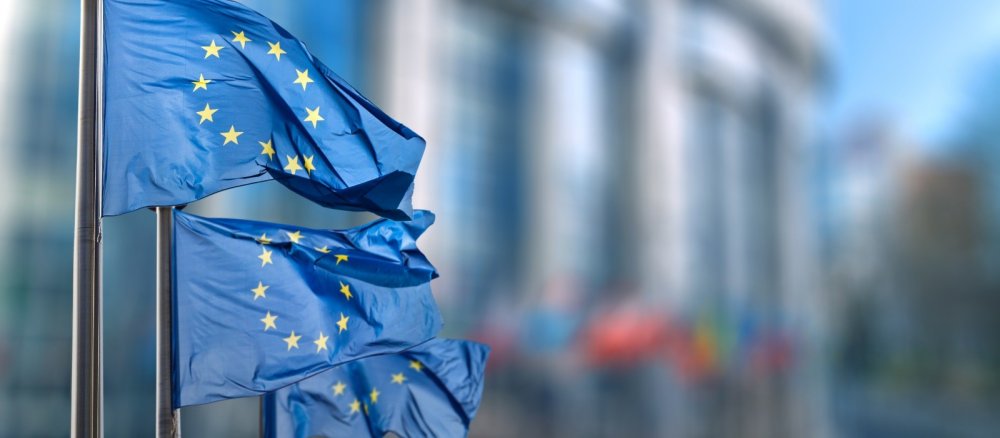
European integration must continue, but changes are necessary in the functioning of the European Union (EU). For example, the setting of the European Green Deal (EGD) should be reviewed, or bureaucracy reduced. The unions, associations and chambers that TASR approached at the beginning of the new electoral term of the European Parliament agreed on this. According to them, EU integration is key to ensuring the stability, prosperity and competitiveness of the member states on the global market.
„Integration must continue, the EU must be de-bureaucratised, because the degree of bureaucratisation has reached an unbelievable height. It is necessary to leave more responsibility to the member states, because when the boundaries are set, the country knows best how to move within them. We are against reducing the independence of the member states by transferring further powers to Brussels. This is the first step towards future disintegration,“ explained Peter Mihók, chairman of the Slovak Chamber of Commerce and Industry (SOPK).
According to him, the sovereignty of the EU member states must clearly be preserved. „It is unacceptable that, with voluntary membership in the EU, various types of fines, levies or sanctions in the form of suspension of funding are introduced. Let us continue with integration, let us emphasise its economic and financial dimension. Let us, however, try to depoliticise integration,“ underlined Mihók.
The EGD should, according to the Slovak Agricultural and Food Chamber (SPPK), definitely be modified. „The goals of this policy are namely not set correctly and are not feasible in practice. At the same time, they bring a lot of bureaucracy. That is also one of the reasons why farmers protested across the EU, but also in Slovakia,“ explained Matej Korpáš from the press department of SPPK.
The goals of the EGD should also, according to the first vice-president of the Association of Employers' Unions and Associations (AZZZ) of the Slovak Republic, Roman Karlubík, be modified – also in view of the current geopolitical situation and military conflicts. „The goals of the EGD were set politically too ambitiously without regard to the real possibilities of the EU economy and the state of its available technologies. When the goals of the EGD were adopted, no impact studies were prepared, and it was adopted without discussion with the citizens of the EU and with industry,“ said Karlubík.
According to Martin Hošták, Secretary General of the Federation of Employers' Associations (RÚZ), the EU does not need to further expand the areas managed by common policies. „It is necessary to fix what we already have. For example, the single market, which does not always function perfectly. The effective functioning of the single market is the basis for economic growth and the competitiveness of Europe,“ emphasised Hošták.
According to him, the European economy significantly lags behind the most important regions of the world. „For example, in 2023 the EU's GDP grew by only 0.5 % compared to 3.1 % in the case of the USA and 5.2 % in the case of China. And it is precisely a strong economy that is the prerequisite for protecting the European way of life and European interests abroad,“ he underlined.
In the case of the EGD, according to Hošták, RÚZ expects that there will be pressure for the effective spending of funds also in the area of the fight against climate change. „At the same time, we expect a reduction of overly ambitious goals, the abolition of some measures, and, until that happens, the introduction of a moratorium on the EGD,“ Hošták added.
The individual EU policies should, according to Lasz, be flexible and adapt to current challenges and the needs of the member states.
The transition to a green economy must, however, according to him, have its „rationale“ and must not threaten the competitiveness of European industry.
You can read more in the article on Teraz.sk.